Feeding the Future: The Essential Guide to B2B Wholesale Food Distributor Software

In a city like Tel Aviv, with its vibrant and demanding culinary scene, the unsung heroes are the wholesale food distributors. They are the critical link ensuring that the freshest ingredients arrive at bustling restaurants, hotels, and cafes every single day. The pressure is immense: manage highly perishable goods, fulfill complex orders with absolute accuracy, and navigate congested city streets—all while operating on razor-thin margins. In the fast-paced market of 2025, relying on outdated methods like phone calls, paper invoices, and manual inventory counts is not just inefficient; it’s a recipe for disaster.
To survive and thrive, modern food distributors are turning to a critical tool: integrated B2B wholesale food distributor software. This technology is no longer a competitive advantage but a core operational necessity, providing the digital backbone needed to manage the immense complexity of the modern food supply chain.
Beyond the Spreadsheet: What is Food Distributor Software?
This is not a generic accounting program or a simple CRM. A true wholesale food distributor solution is a specialized, end-to-end software platform—often an Enterprise Resource Planning (ERP) system—built specifically for the unique challenges of the food industry. Its purpose is to centralize every aspect of the business into a single source of truth, from the moment an order is placed to the second it's delivered, ensuring data flows seamlessly across the entire operation.
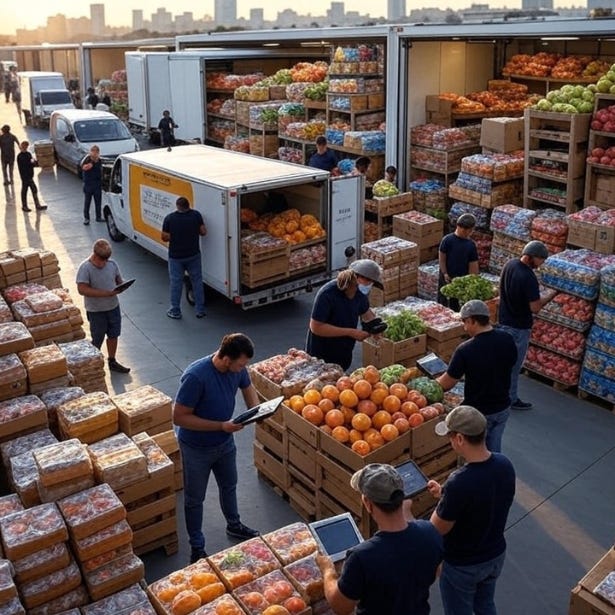
The Must-Have Ingredients: Key Features of a Modern Solution
A robust software solution for food distribution is built on several key pillars, each designed to tackle a specific industry pain point.
1. Real-Time Inventory and Warehouse Management For a business dealing in perishable goods, this is the most critical module. It goes far beyond a simple stock count.
Traceability and Lot Tracking: Provides the ability to track every case of product from supplier to customer, which is essential for food safety and rapid response in the event of a recall.
FEFO/FIFO Logic: Automates the "First-Expired, First-Out" or "First-In, First-Out" picking process to ensure older stock is sold first, drastically reducing spoilage and waste.
Warehouse Optimization: Manages specific temperature zones, directs warehouse staff on the most efficient picking paths, and utilizes barcode scanning to eliminate human error.
2. Omni-Channel Order Management Today’s B2B customers expect a seamless ordering experience. Modern software provides multiple channels for placing orders:
B2B E-commerce Portal: A 24/7 online portal where chefs and managers can log in, view their specific pricing, see product availability, and place orders at their convenience.
Sales Rep Mobile Apps: Equips field sales reps with a tablet or phone app to place orders on-the-go while visiting clients, with real-time access to stock levels and customer history.
EDI Integration: Allows for automated order processing from large chain accounts and grocery partners.
3. Dynamic Pricing and Promotions The food industry rarely has one-size-fits-all pricing. A powerful system allows for complex pricing structures, including customer-specific price lists, volume-based discounts, and temporary promotions—all managed from a central hub to ensure accuracy and protect margins.
4. Route Planning and Delivery Logistics The final mile is often the most expensive and complex part of the journey. This module optimizes delivery operations by:
Automating Route Planning: Calculates the most efficient routes based on delivery locations, traffic patterns, and customer time windows.
Providing Real-Time Driver Tracking: Gives dispatchers and customers visibility into delivery progress.
Enabling Digital Proof of Delivery: Allows drivers to capture signatures or photos upon delivery, instantly updating the system and reducing invoice disputes.
The Tangible Benefits: A Clear Return on Investment
Implementing a comprehensive software solution delivers clear, measurable results:
Drastically Reduced Spoilage: Better inventory management directly translates to less waste and higher profits.
Improved Operational Efficiency: Automation reduces manual data entry, minimizes errors, and allows you to process more orders with the same headcount.
Enhanced Customer Satisfaction: Accurate, on-time deliveries and convenient ordering processes build loyalty in a competitive market.
Full Financial Visibility: With operations and accounting integrated, you get a real-time view of your profitability by customer, product line, or delivery route, enabling smarter business decisions.
For the distributors who power the world's most dynamic food scenes, from Tel Aviv to Tokyo, success in 2025 depends on speed, accuracy, and intelligence. Investing in the right technology is no longer just about streamlining a business; it’s about building a resilient, scalable, and profitable foundation for the future.